
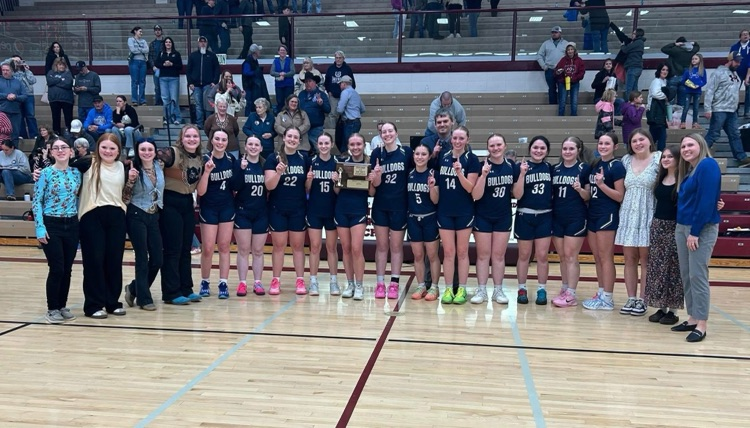
Good Luck to our Girls' Basketball Team as they match up in the Eastern C Divisional Tournament in Miles City today! 💙🏀🤍 #bulldogpride
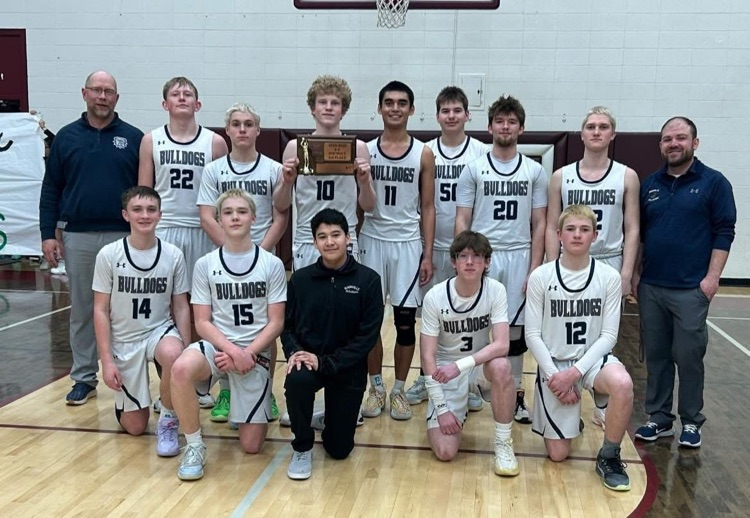
Good Luck to our Boys' Basketball Team as they head to the Eastern C Divisional Tournament in Miles City today! 💙🏀🤍 #bulldogpride
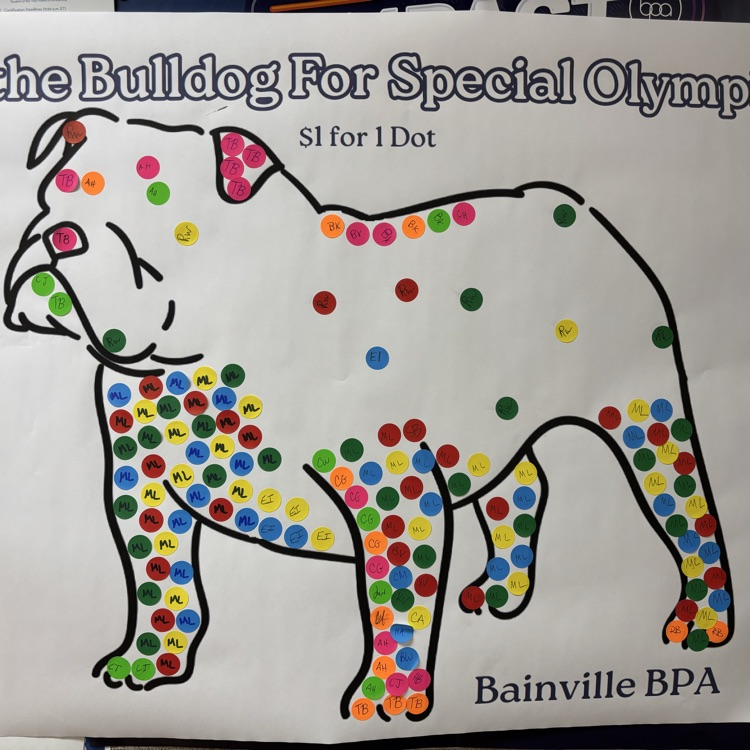
Help the BPA fill up the Bulldog before they leave for state on Sunday! $1 per dot. All the money donated goes to the Special Olympics! 🐾
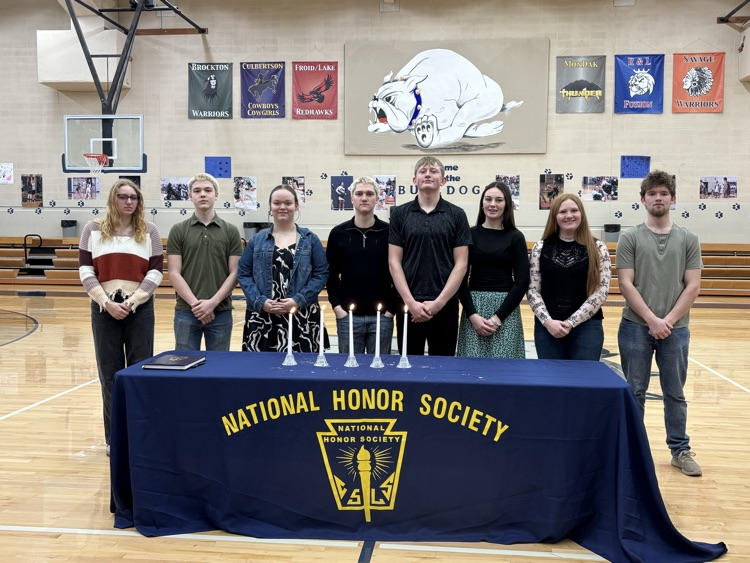
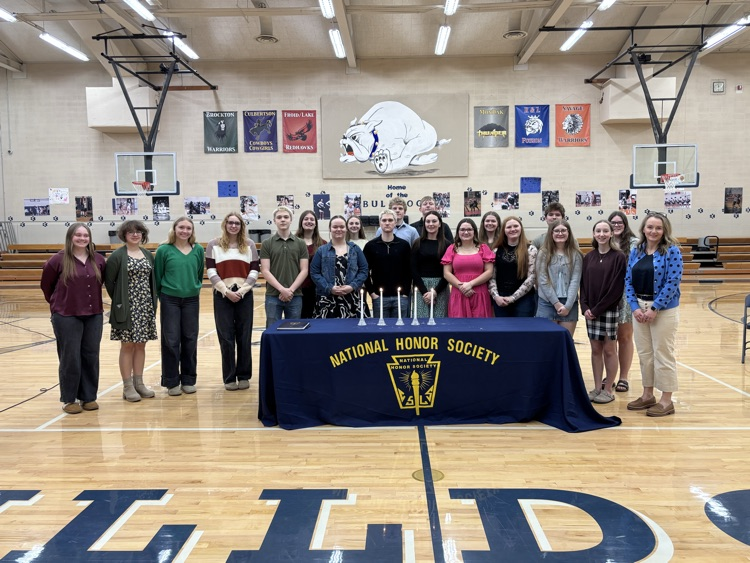
The newest members of the Charles Bain Chapter of The National Honor Society were inducted this morning. Our senior members also received their graduation cords. ⭐️💙🐾
#bulldogpride
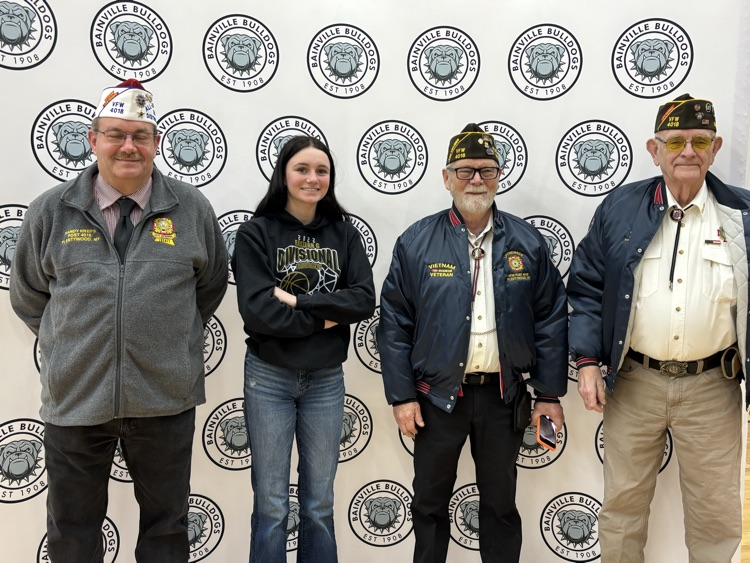
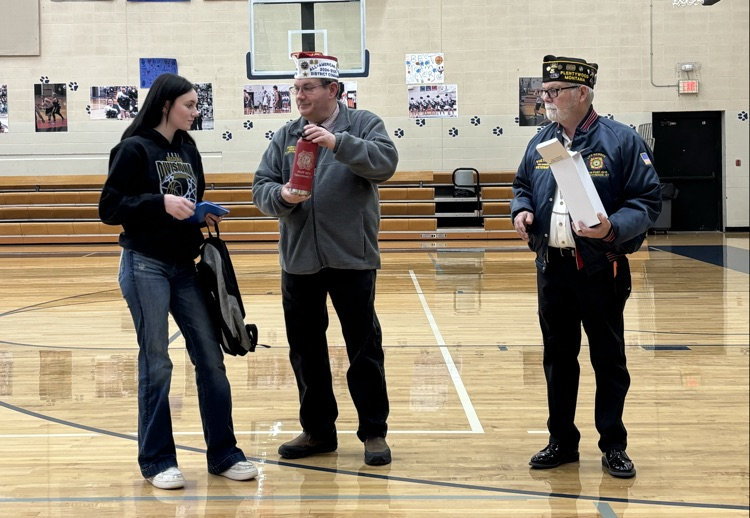
Eleanor was the recipient of the VFW Post 4018 Patriot's Pen Award this morning! Congratulations, Eleanor! 🇺🇸🖊️ #bulldogpride
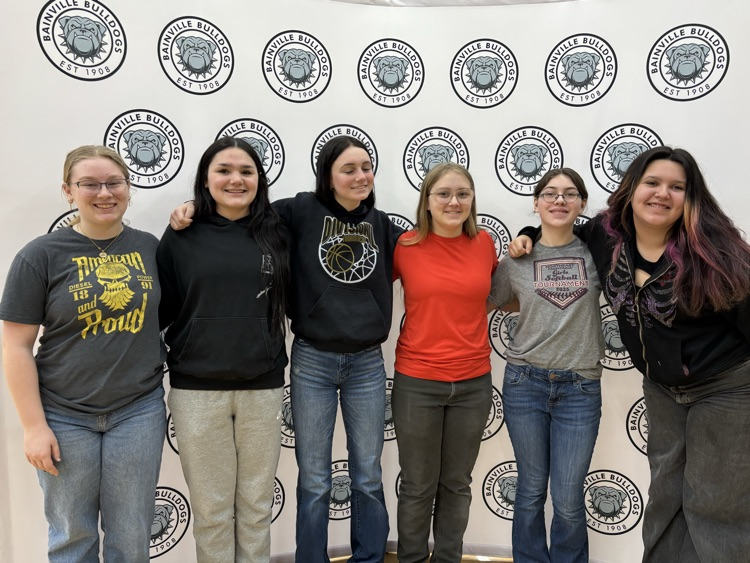
🐾💙Bulldog Mentors had their 3rd quarter classroom visits Friday afternoon. A good time was had by all! 💙🐾
#bulldogpride
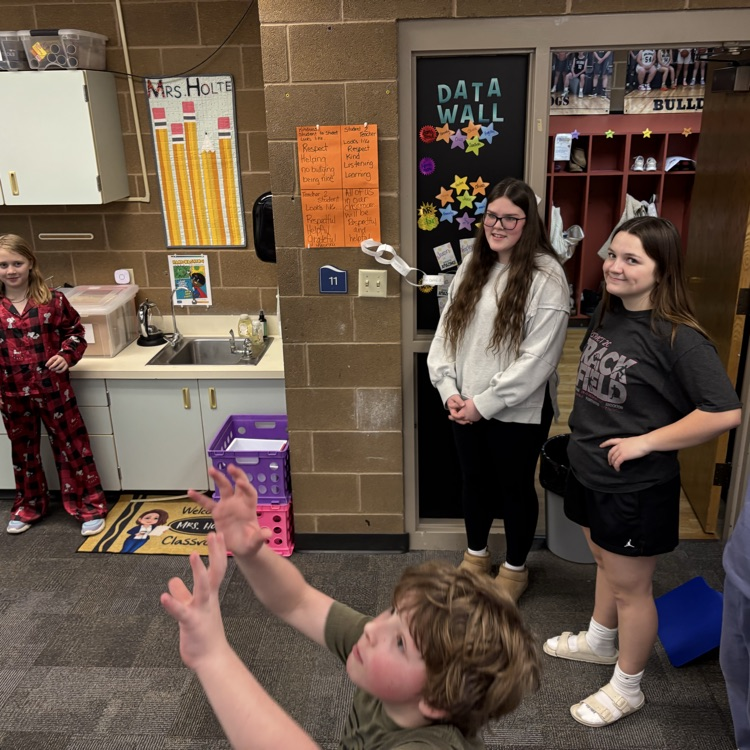
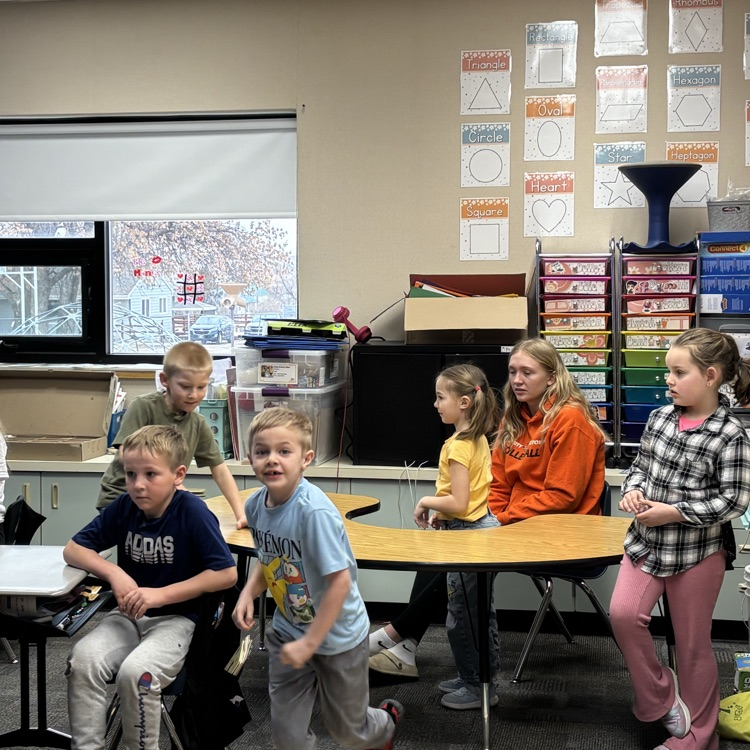
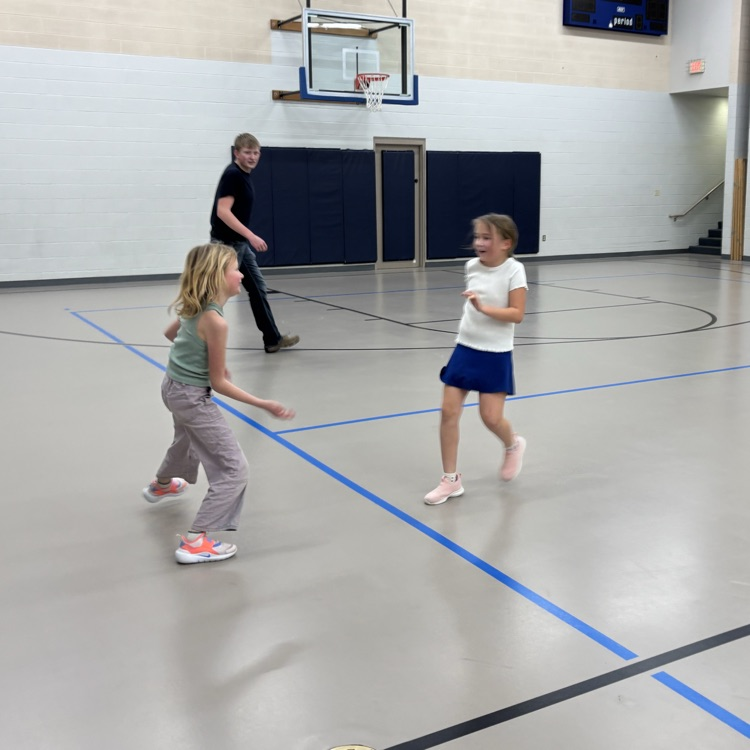
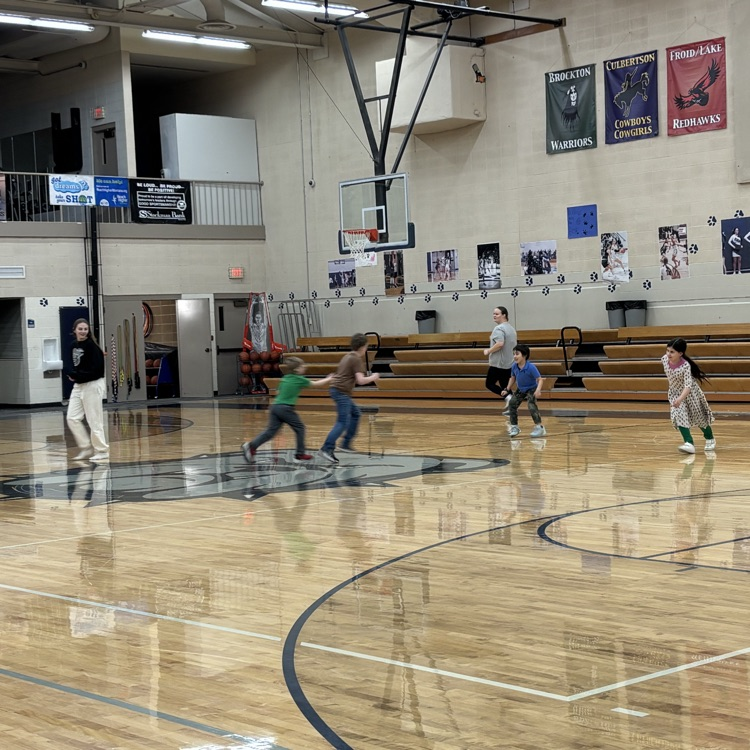
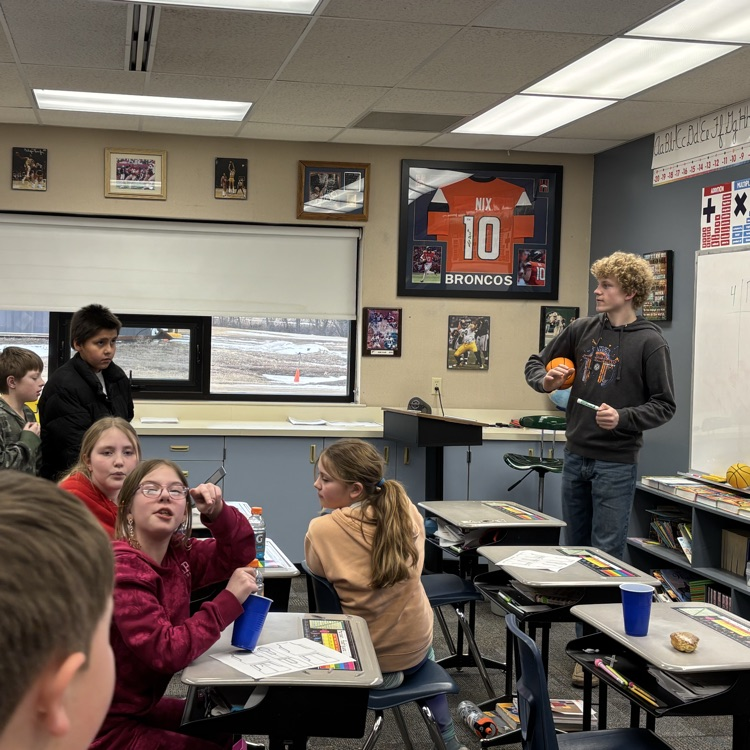
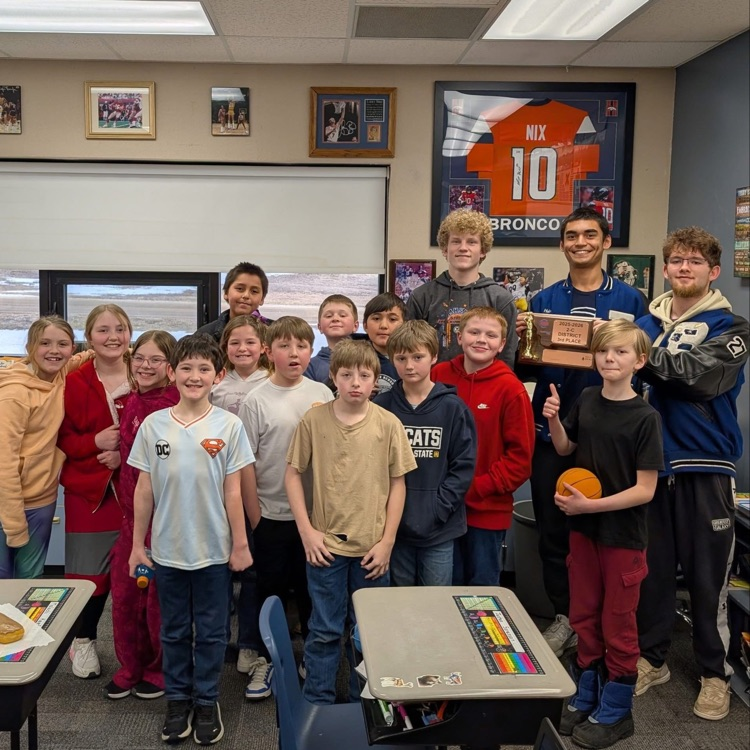
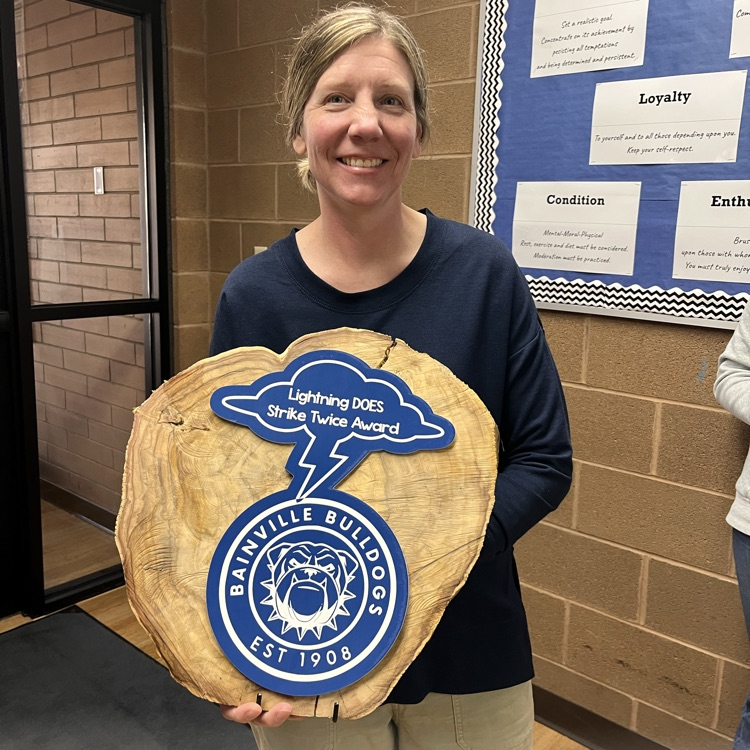
Ms. Wilson was recognized by Mrs. Winn with the Lightning DOES Strike Twice Award! ⚡️ Ms. Wilson's genuine care for students, her drive and ownership over the work she does, and the many hats she wears in our school were among the reasons for her selection! Congratulations! 🌩️⚡️⛈️ #bulldogpride
Good luck to our teams as they compete in the final day of the 2C District Tournament! 💙🏀🤍 #bulldogpride #wearebulldogs
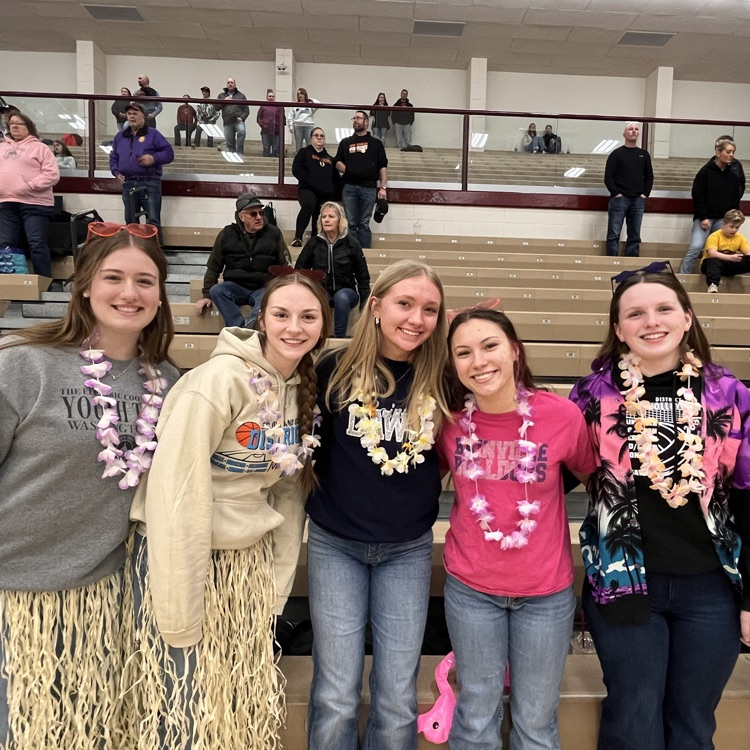
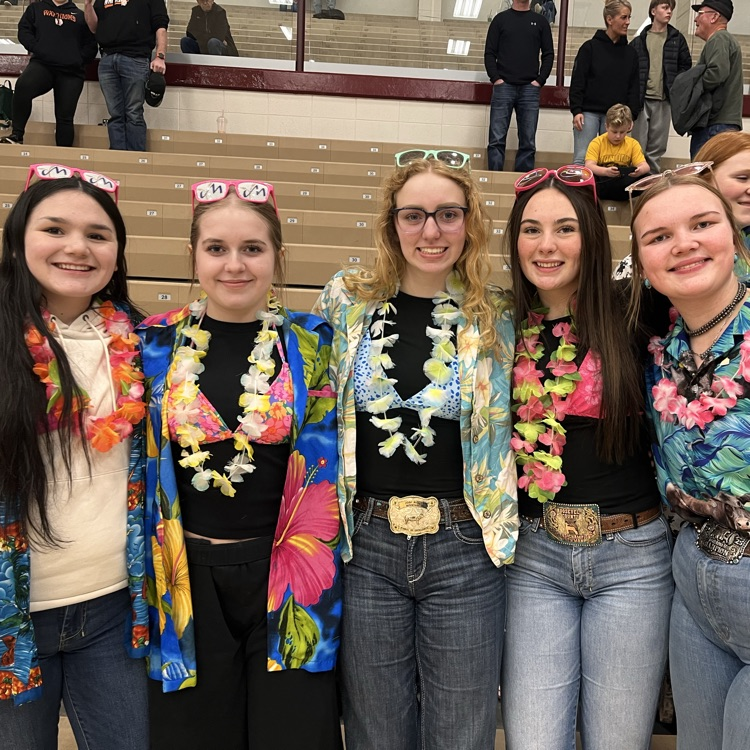
Good luck today, Bulldogs! 💙🏀🤍 #bulldogpride #wearebulldogs
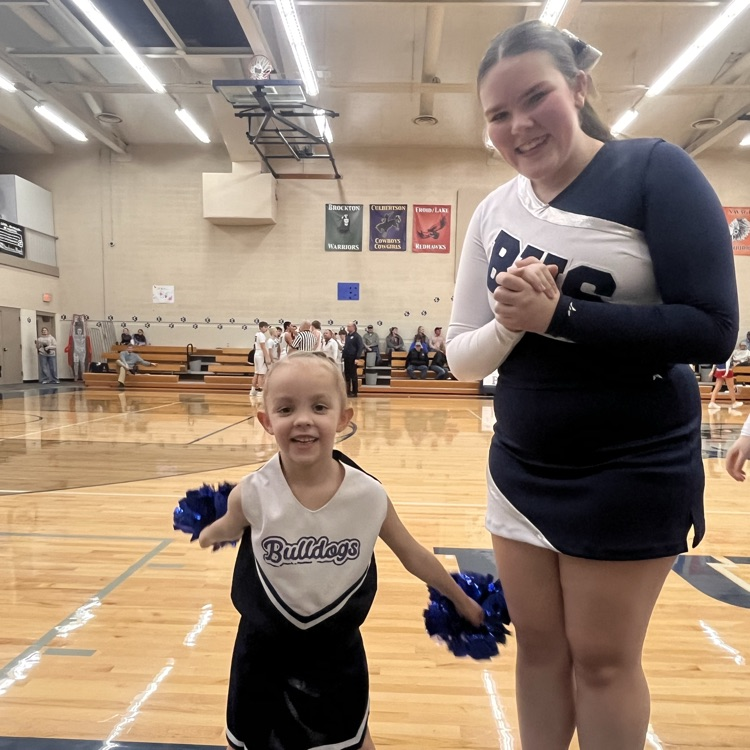
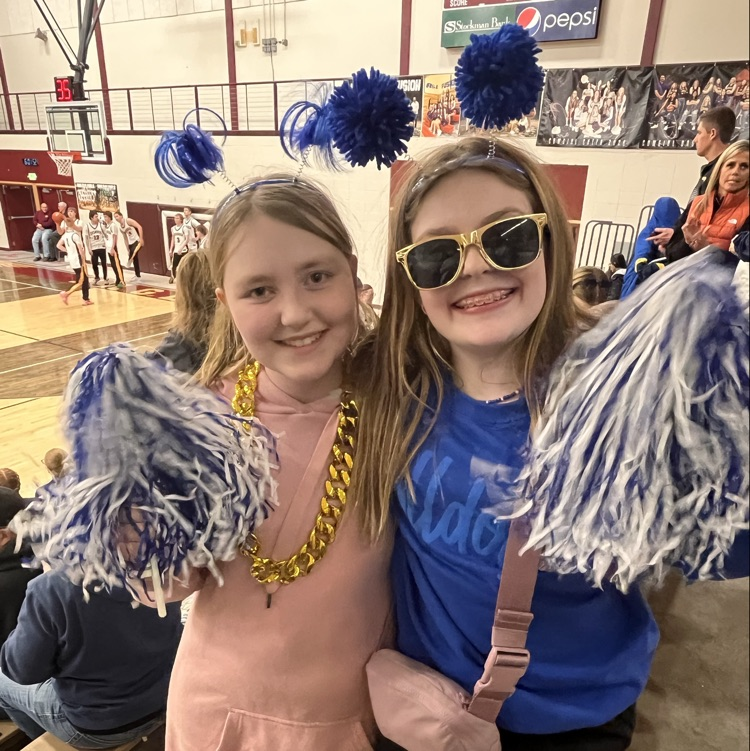
Bulldog Tourney Fans
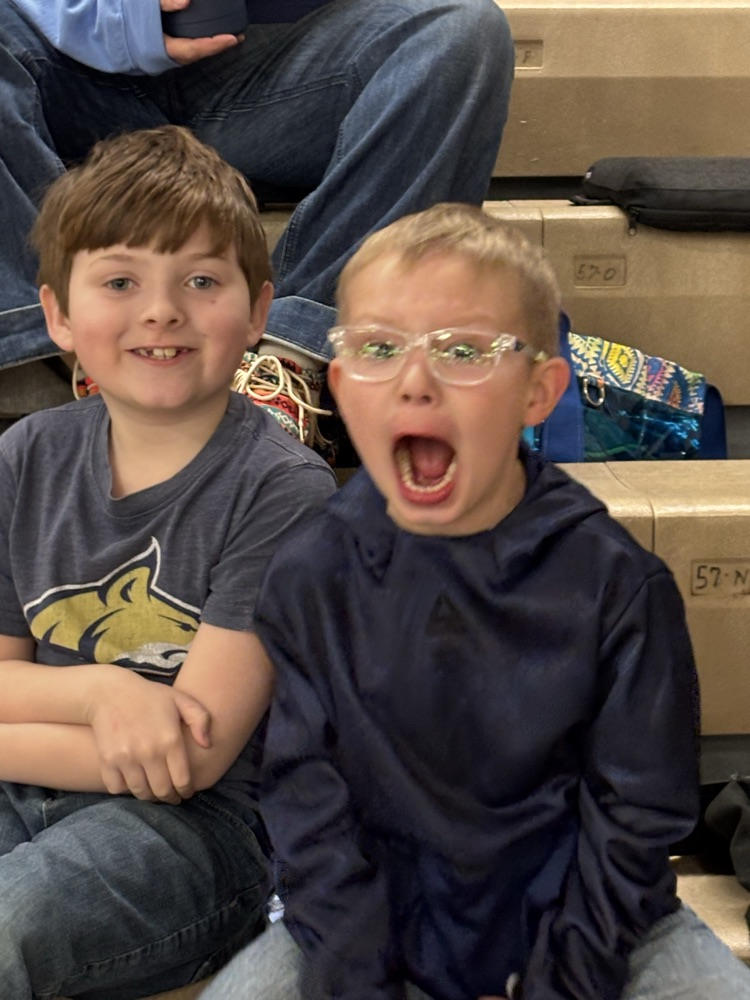
Go Bulldogs!! 💙🏀🤍 #bulldogpride #wearebulldogs
Buses will run this afternoon.
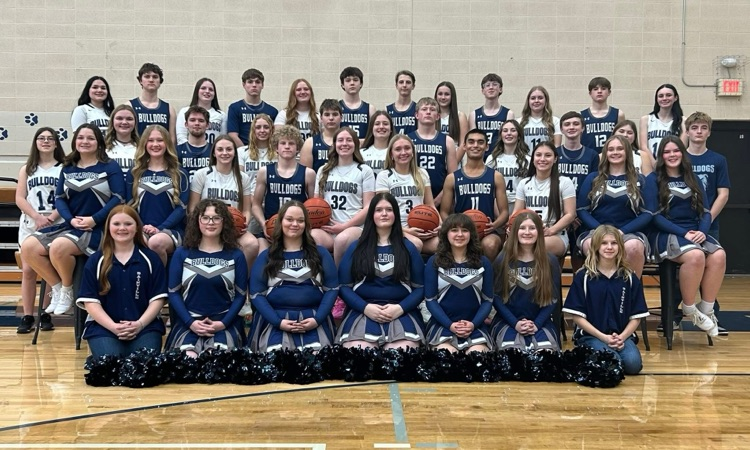
Good luck to our Teams & Cheerleaders as they play in the District 2C Basketball Tournament today! 💙🏀🤍 #bulldogpride #wearebulldogs
Bainville Schools will start at 10 am this morning. Please travel safely and communicate with the office if you are unable to attend.
Morning Bus Routes are cancelled. More information will be put out regarding school this morning. If you have to drive stay in contact with the office.
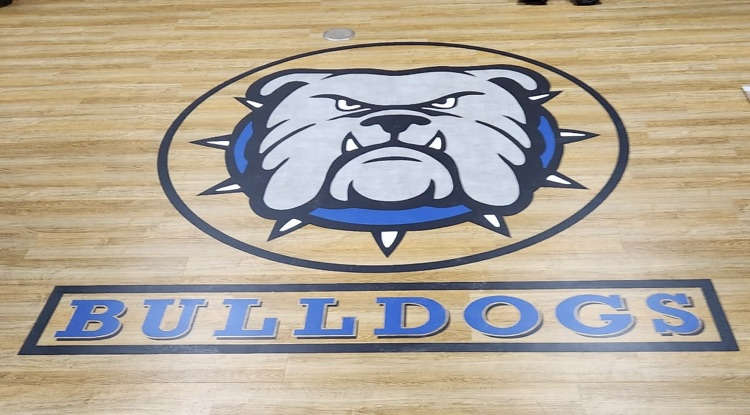
Check out the addition to our floors over the weekend! 🐾 #bulldogpride
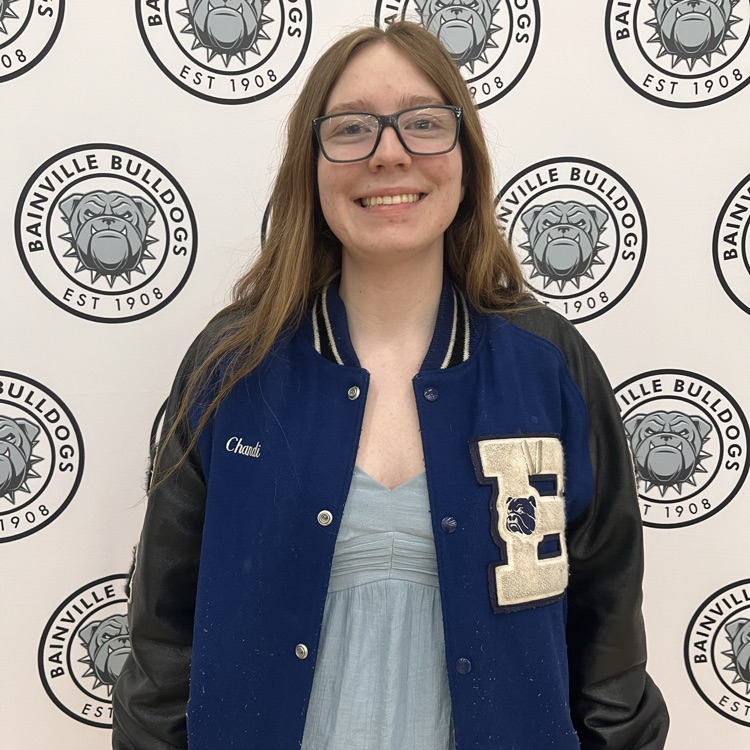
Congratulations to Chandi and Emma for being selected as STAR Student by their teachers! 🤩🤩 #bulldogpride
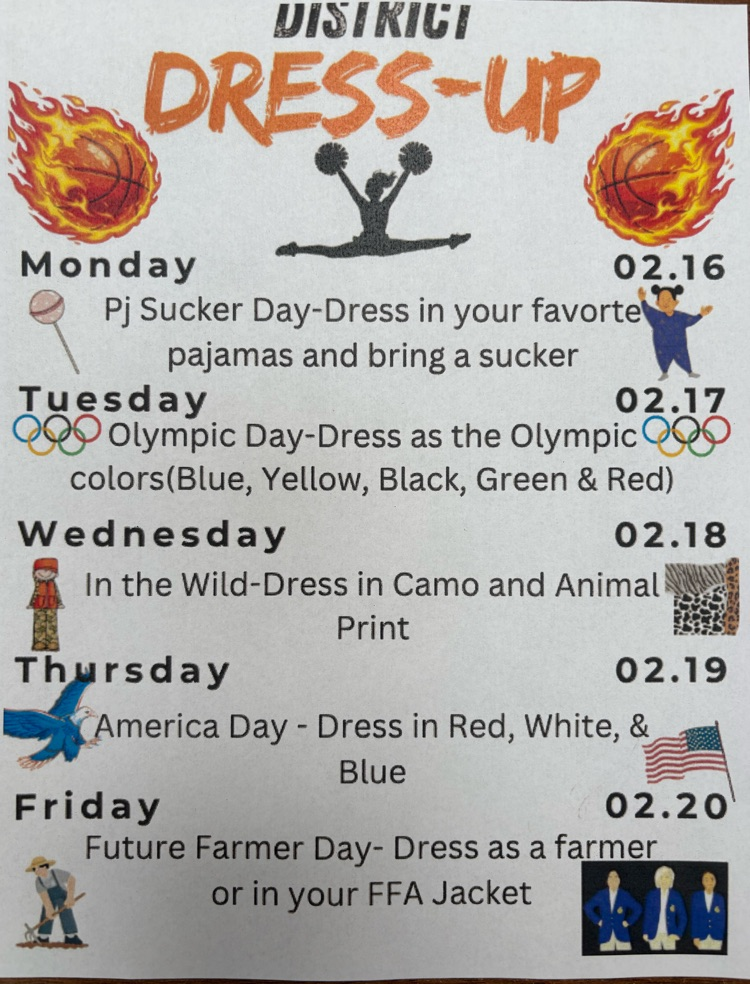
Dress up days for next week's District Tournaments! Go BULLDOGS!! 🏀🐾
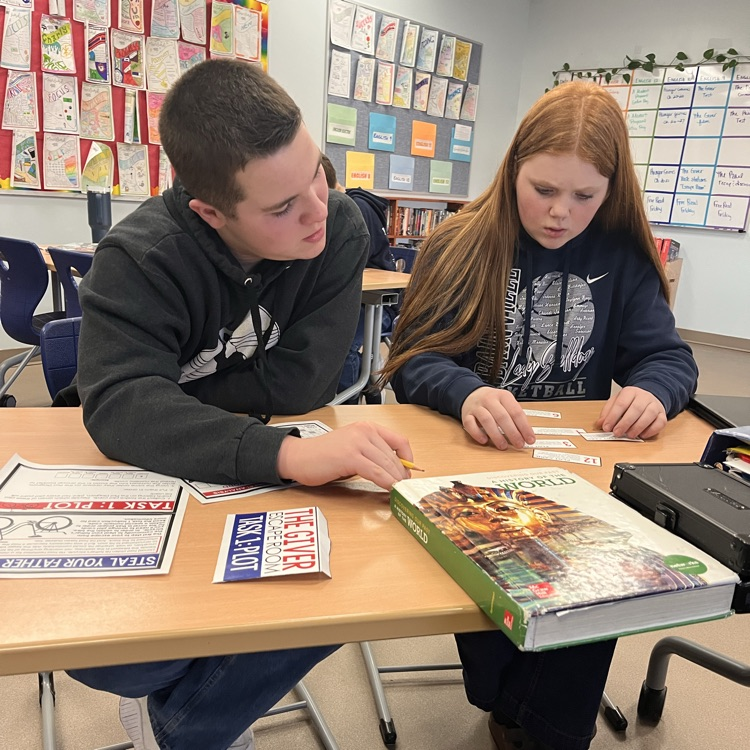
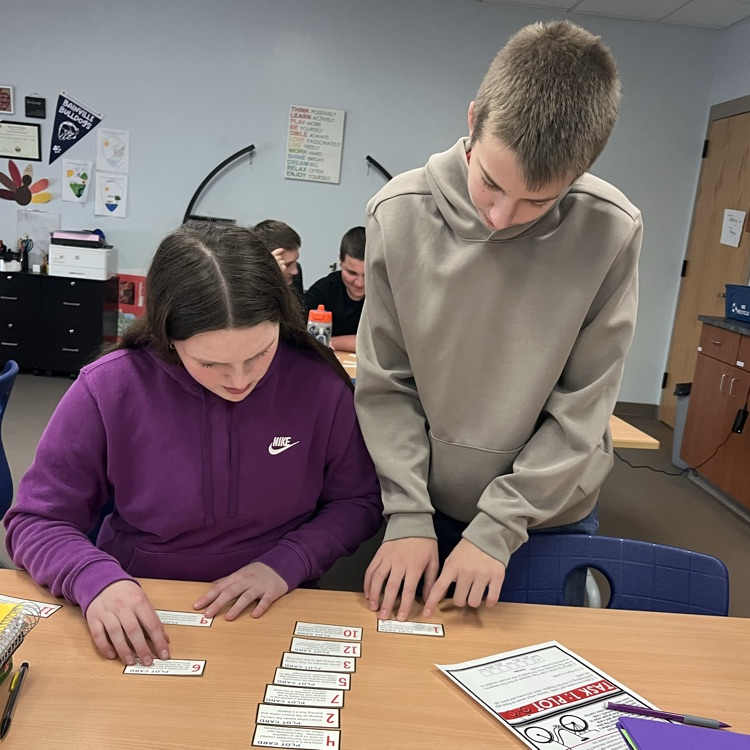
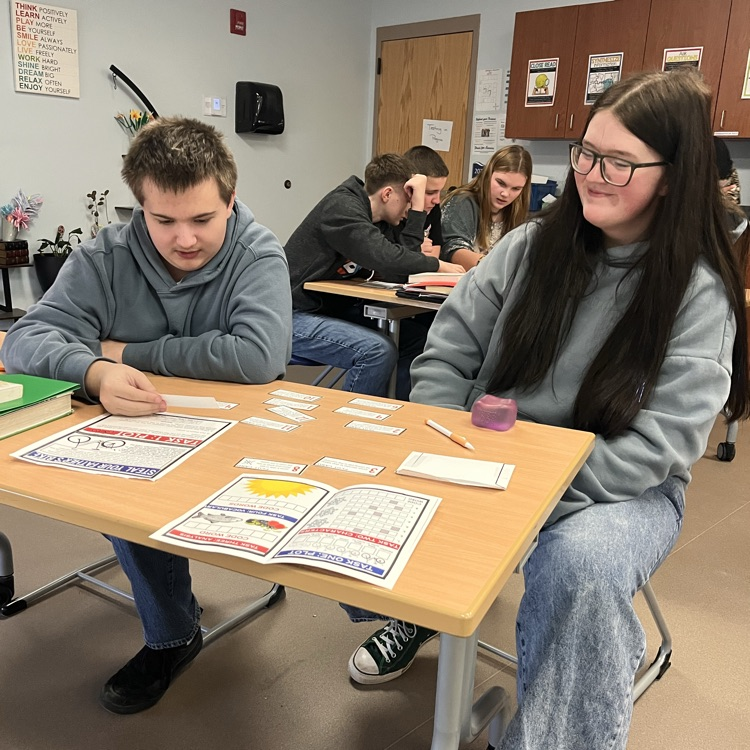
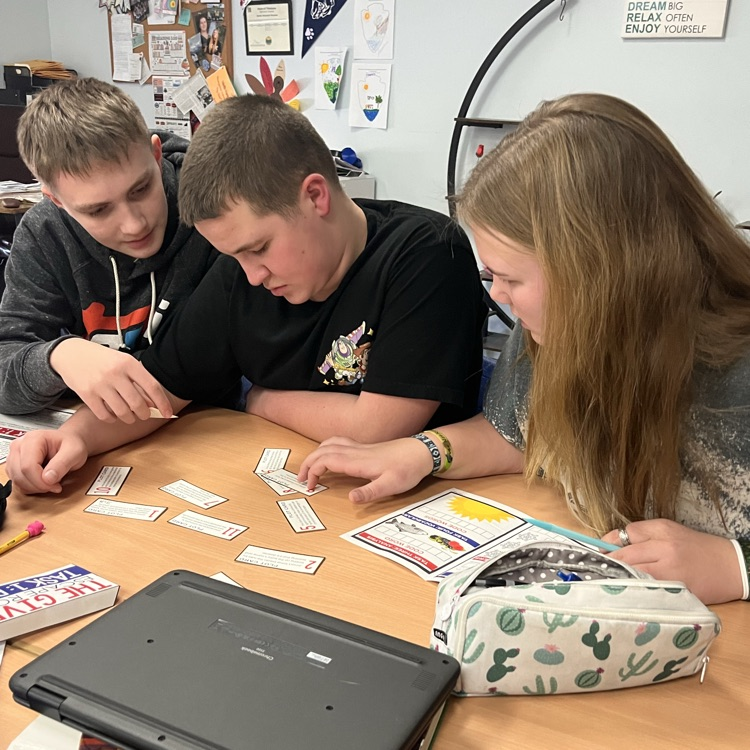
Miss Morales's freshmen English class is working to complete Escape Room tasks as part of their study of "The Giver."
Bulldog➡️Mystic
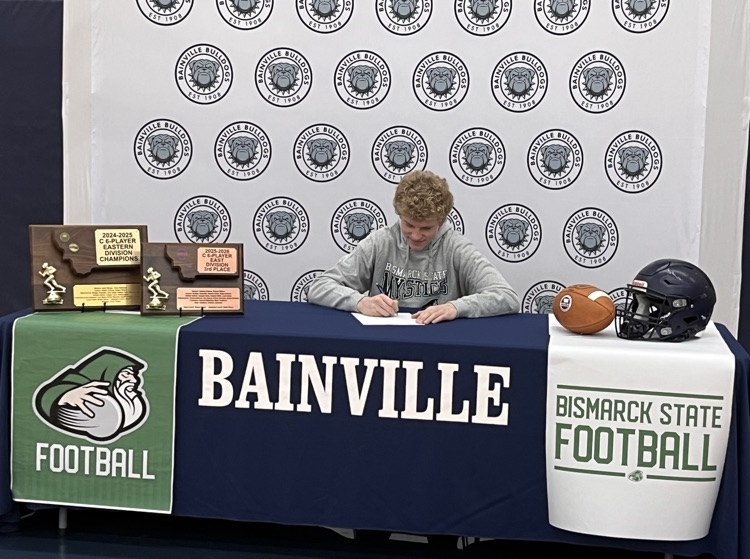
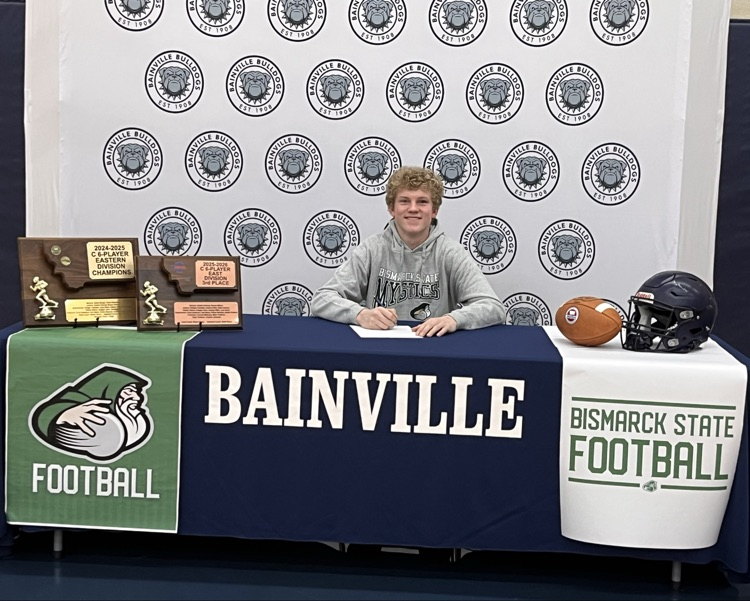
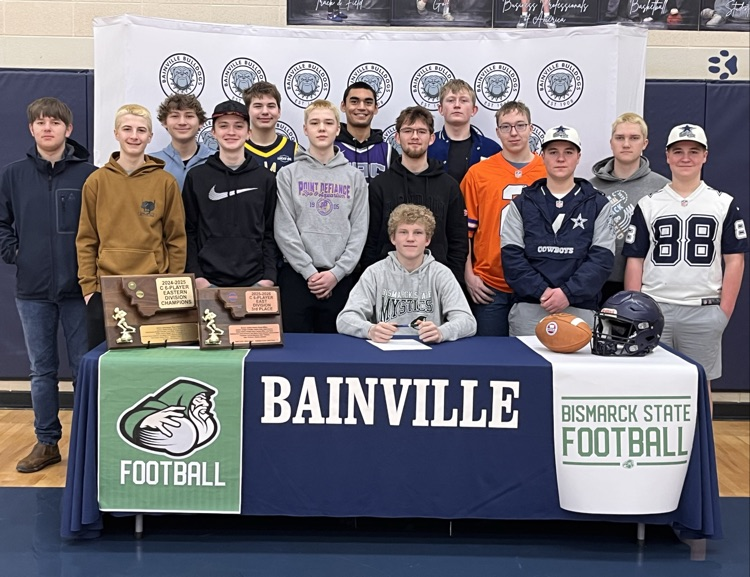
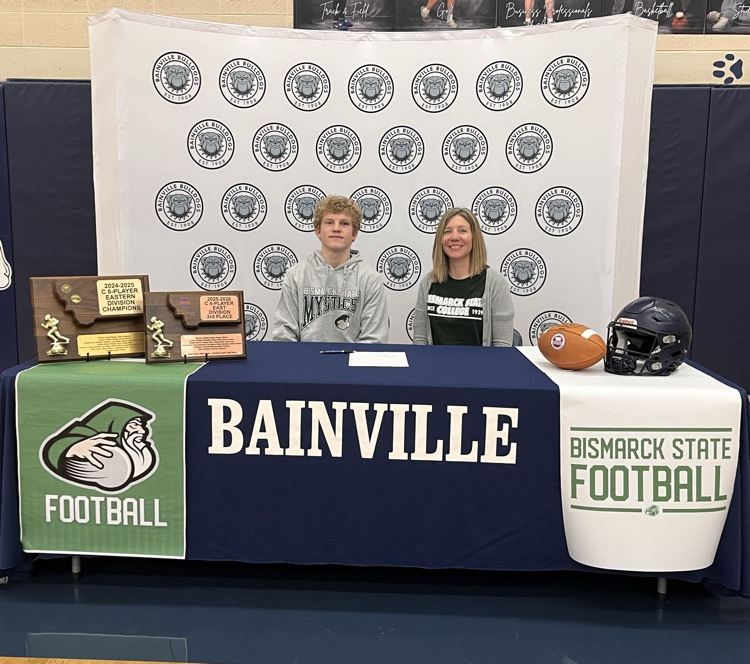
Today we were able to celebrate with Rowan as he announced his signing of his letter of intent to play football for Bismarck State College while he pursues a degree in Farm and Ranch Management. Congratulations, Rowan! 💙🏈 #bulldogpride